Ozigi v2 Changelog: Building a Modular Agentic Content Engine with Next.js, Supabase, and Playwright

Founder and CEO of Ozigi. Writes about content strategy and the architecture of AI tools for technical creators.
When I first built Ozigi (initially WriterHelper), the goal was simple: give content professionals in my team a way to break down their articles into high-signal social media campaigns.
OziGi has now evolved to an open source SaaS product, open to the public to use and improve on.
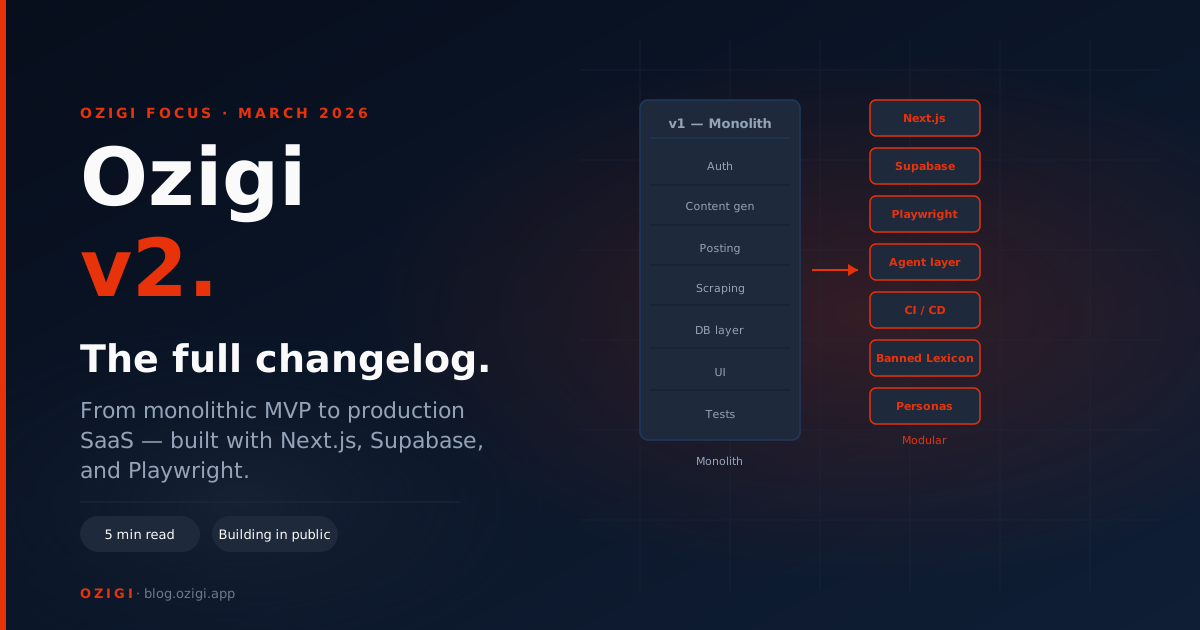
Here is the complete technical changelog of how I completely turned Ozigi from a monolithic v1 MVP into a production-ready v2 SaaS.
1. Modular Refactoring of The App.tsx (Separation of Concerns)
In v1, my entire application: auth, API calls, and UI—lived inside a long app/page.tsx file. The more changes I made, the harder it became to manage.
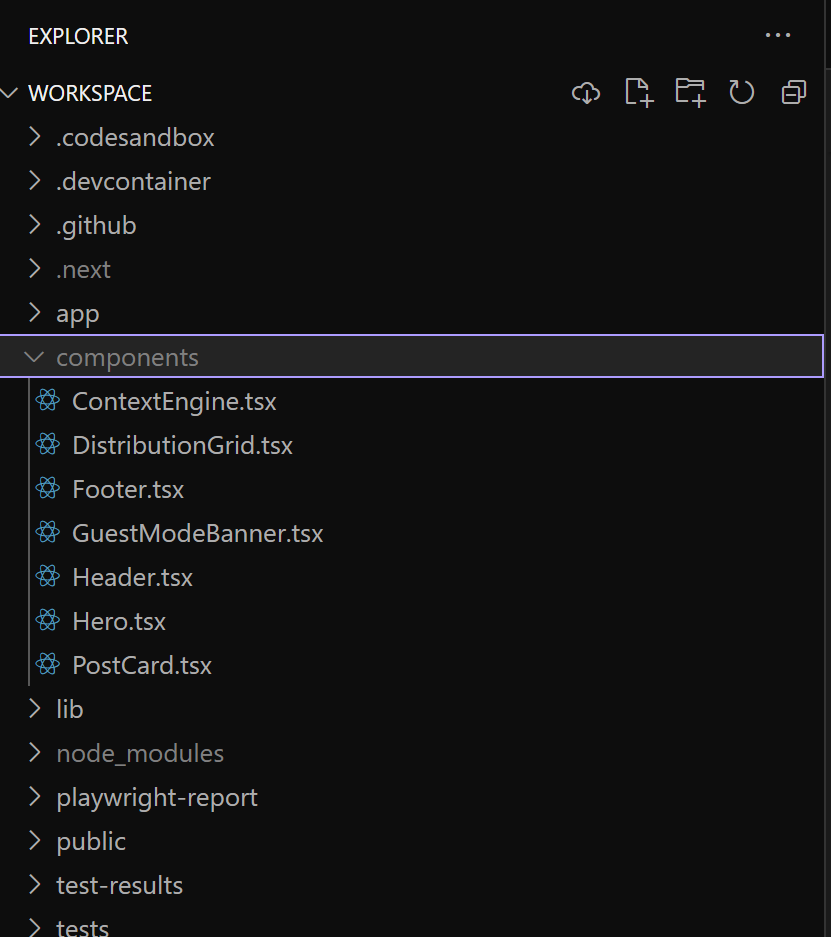
- Modular Component Library: I stripped down the monolith and broke the UI into pure, single-responsibility React components (
Header,Hero,Distillery, etc.).
- Centralized Type Safety: I created a global
lib/types.tsfile with a strictCampaignDayinterface (complete with index signatures) to finally eliminate the TypeScript "shadow type" build errors I was fighting. - State Persistence: Implemented
localStoragesyncing so the app "remembers" if a user is in the dashboard or the landing page, preventing frustrating resets on browser refresh.
2. Using Supabase as the Database and Tightening the Backend
A major UX flaw in v1 was that refreshing the page wiped the user's progress.
- Relational Database & OAuth: I replaced anonymous access with secure GitHub OAuth via Supabase.
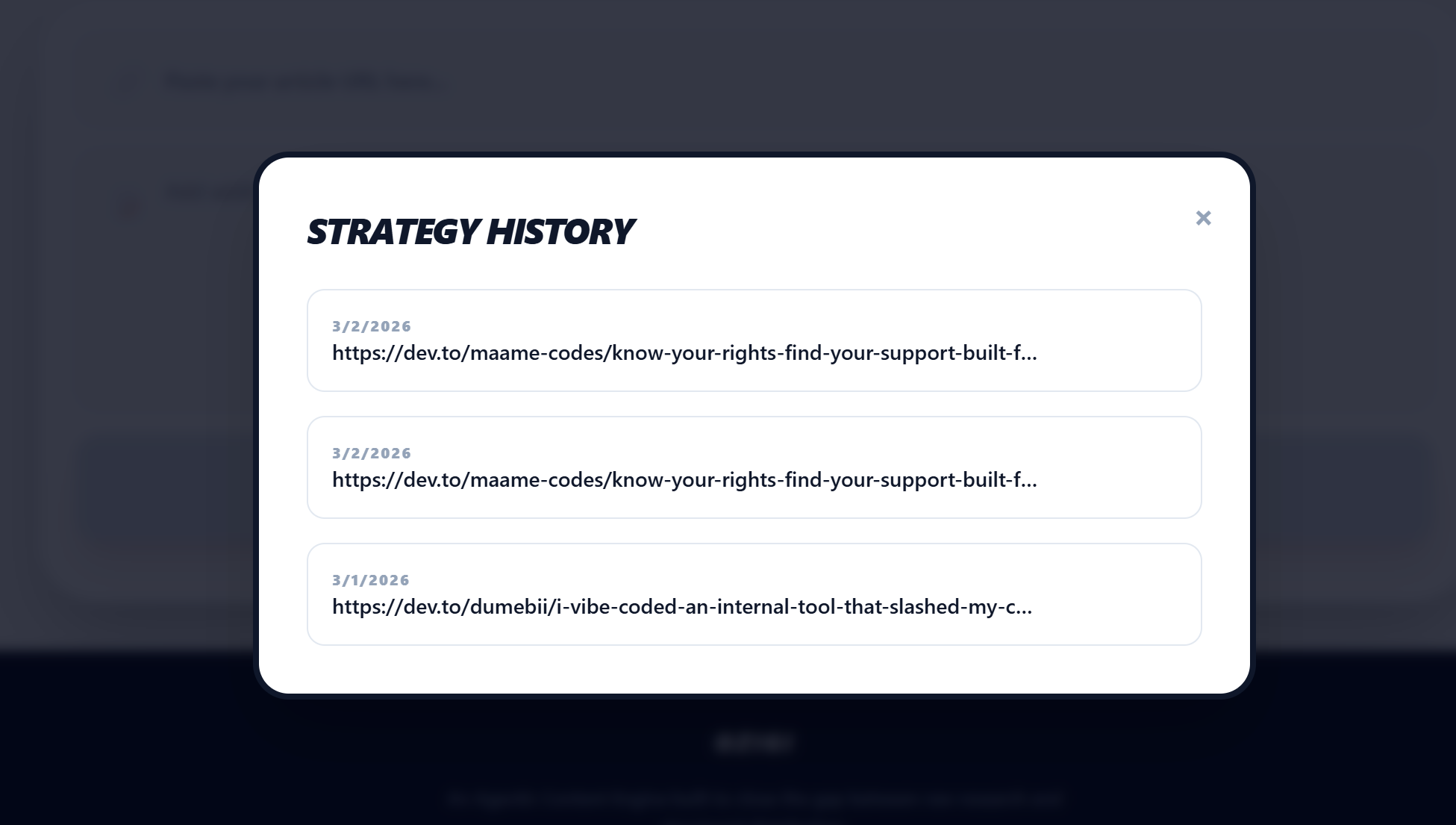
- Automated Context History: I engineered a system that auto-saves every generated campaign to a PostgreSQL database. Users can now restore past URLs, notes, and outputs with a single click.
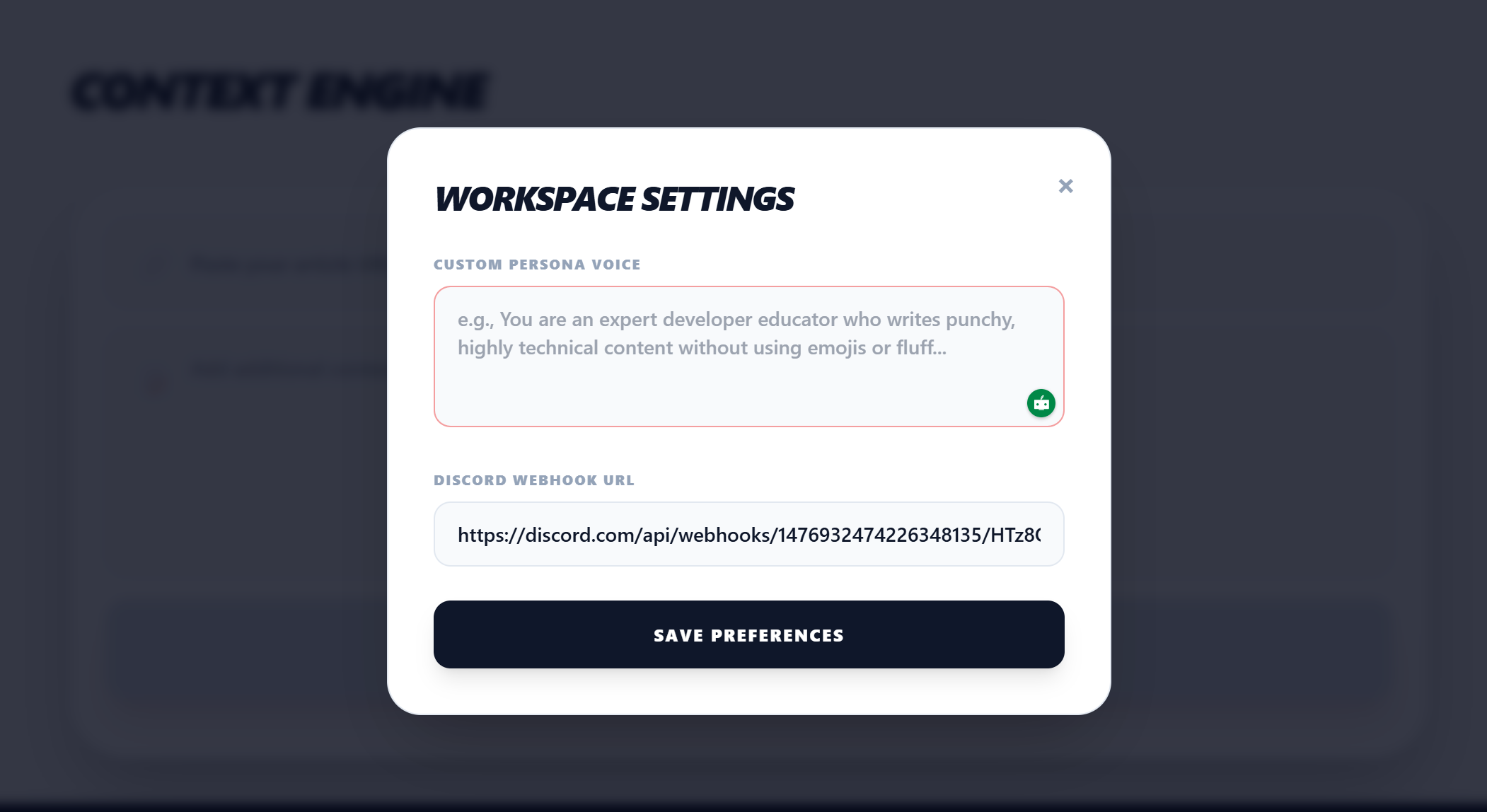
- Identity Storage: Built a settings flow to permanently save a user's custom "Persona Voice" and Discord Webhook URLs directly to their profile.
3. Core Feature Additions
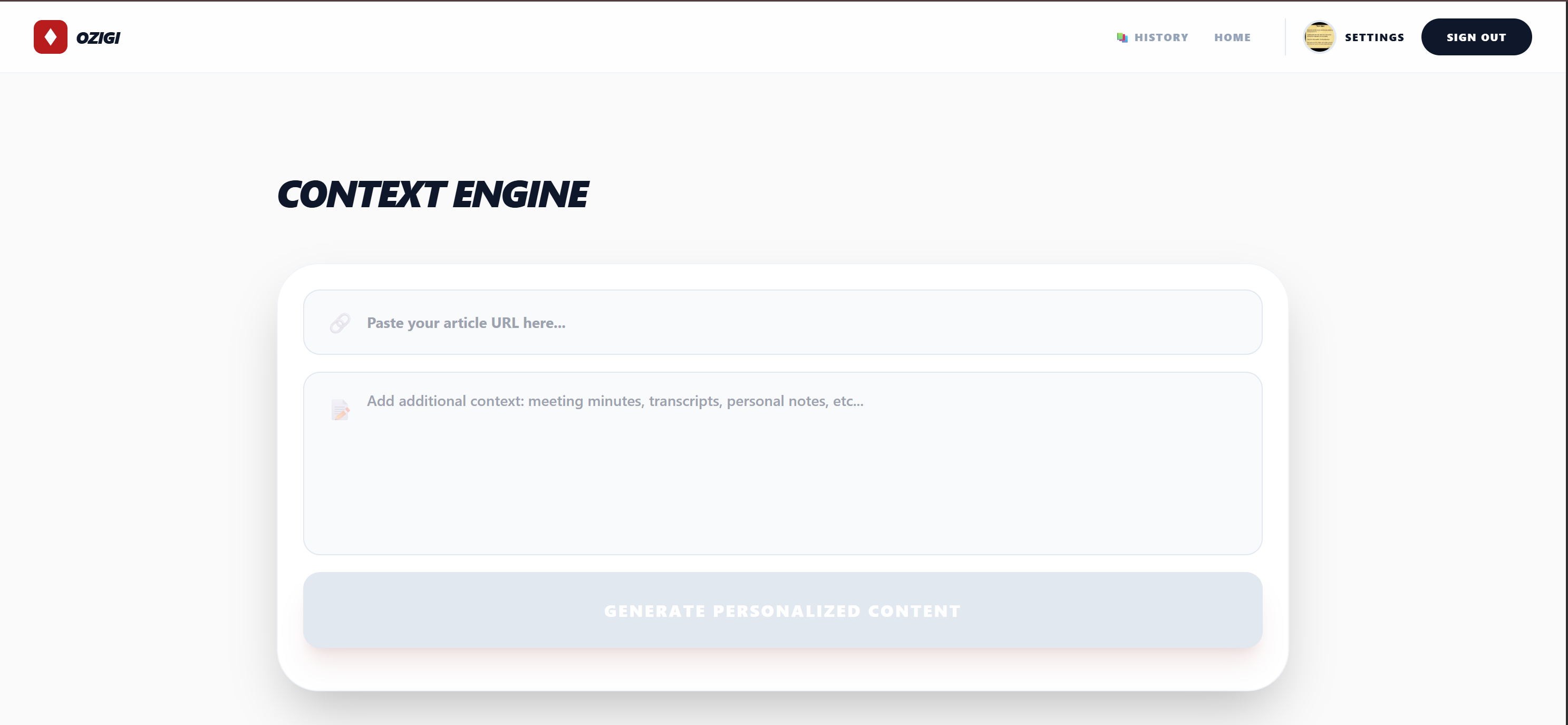
- Multi-Modal Ingestion: Upgraded the input engine to accept both a live URL and raw custom text simultaneously.
- Native Discord Deployment: Built a dedicated API route and UI webhook integration to push generated content directly to Discord servers with one click.
4. Update UI/UX & Professional Branding
-
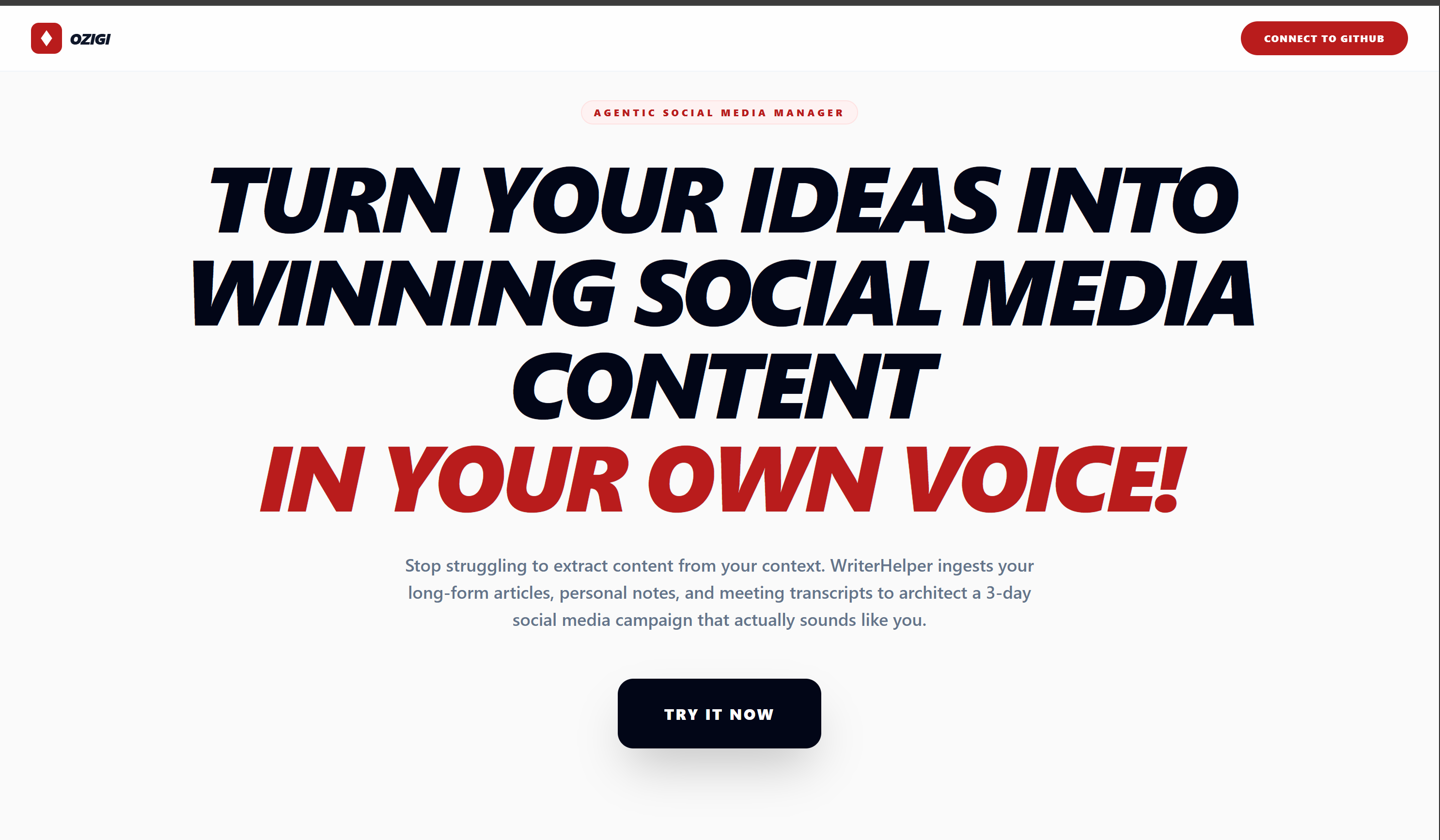
The Rebrand: Pivoted the app's messaging to focus on the core differentiator — generating social media content that sounds authentically human, in your own voice, not like AI wrote it.
-
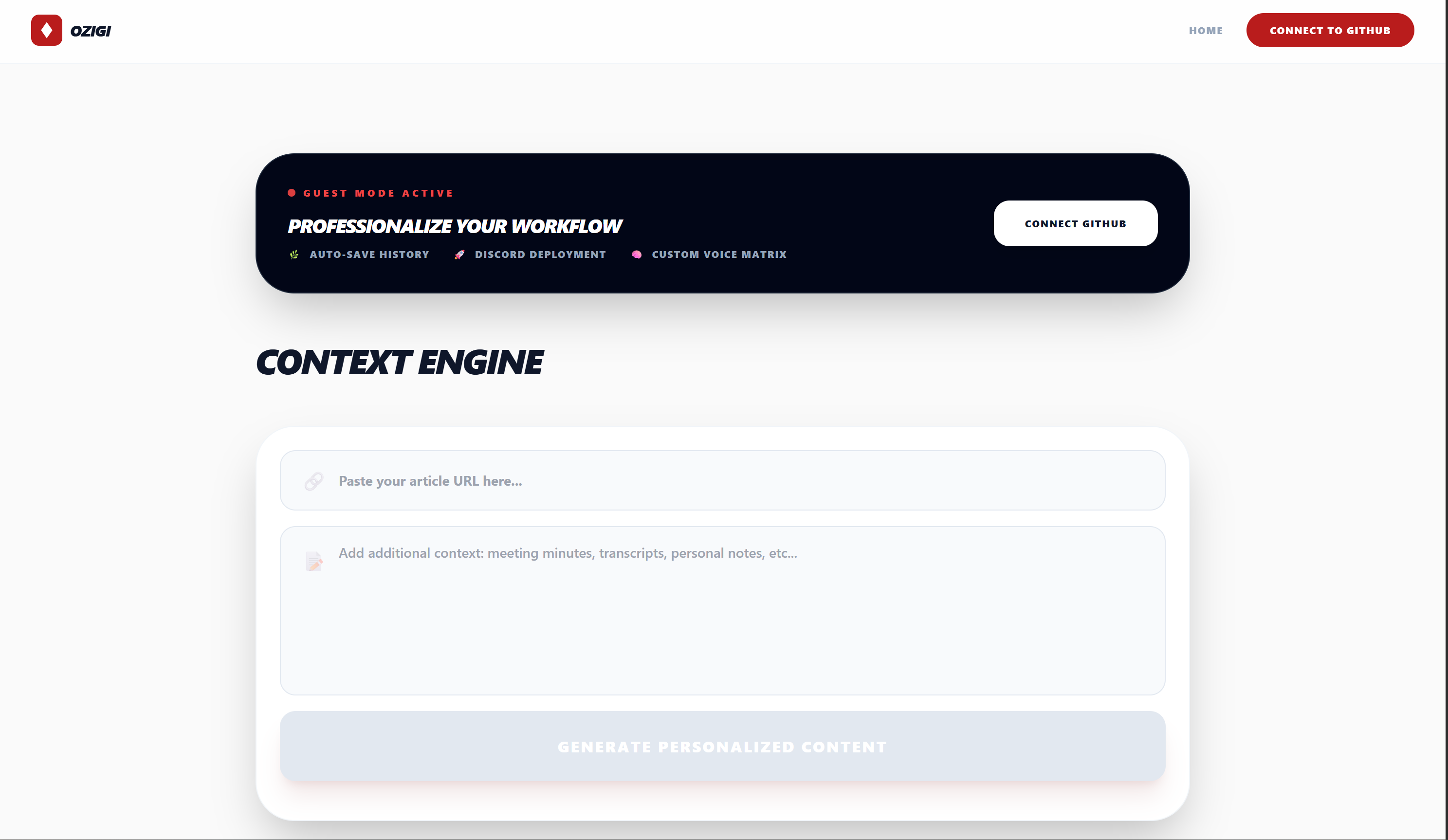
Open-First Onboarding: Designed a "Try Before You Buy" workflow. Unauthenticated users can test the AI generation seamlessly, but are gated from premium features (History, Personas, Discord) via an Upgrade Banner.
- Pixel-Perfect Layouts & SEO: Eliminated rogue whitespace and
z-indexissues using precise CSS Flexbox rules. Upgradedapp/layout.tsxwith professional OpenGraph and Twitter Card metadata.
5. Quality Assurance & DevOps (Automated Playwright E2E Tests)
-
Automated E2E Testing: Completely rewrote the Playwright test suite (
engine.spec.ts) to verify the new landing page copy, test the navigation flow, and confirm security rules apply correctly. -
Linux Dependency Fixes: Patched my CI/CD pipeline by ensuring underlying Linux browser dependencies (
--with-deps) are installed so headless Chromium tests pass flawlessly.
What's Next? (v3 Roadmap)
With the Context Engine now stable, the foundation is set. My plan for V3 is to fix the deployment pipeline:
- integrating the native X (Twitter)
- LinkedIn APIs so users can publish directly from the Ozigi dashboard.
##FEEDBACK AND COMMUNITY
What has been your biggest challenge scaling a Next.js MVP? Let me know in the comments! Try out Ozigi And let me know if you have any feature suggestions? Let me know! Want to see my poorly written code? Find OziGi on Github.
Connect with me on LinkedIn!
What came next: After shipping v2, the next hard question was model selection. A reader suggested switching to Claude for better content quality. I ran the benchmarks instead of just taking the advice. The results across JSON stability, latency, multimodal ingestion, and tone were clearer than I expected: Gemini 2.5 Flash vs Claude 3.7 Sonnet: 4 Production Constraints That Made the Decision for Me
About the author
Founder and CEO of Ozigi. Writes about content strategy and the architecture of AI tools for technical creators.